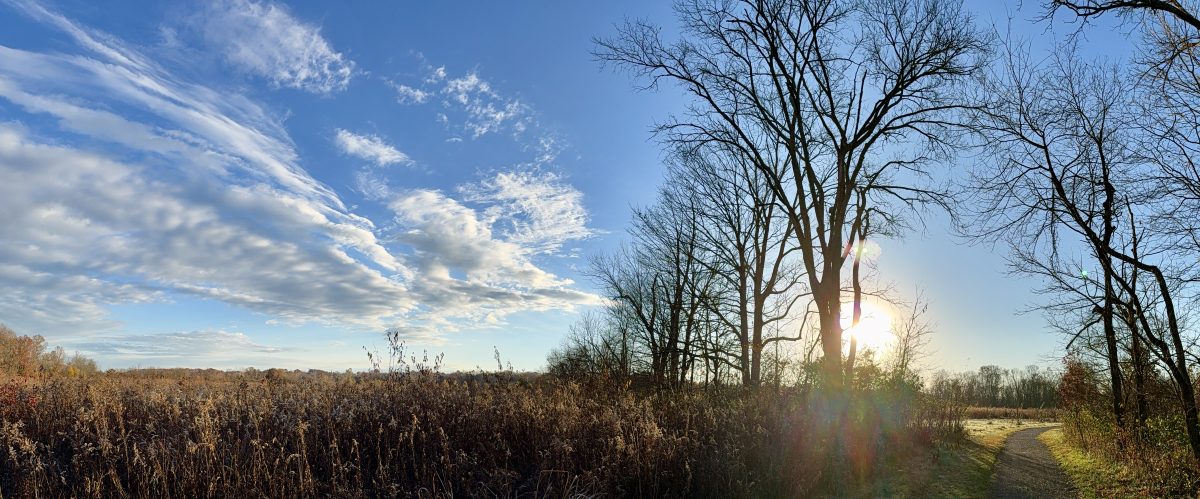
Besides adding to the beauty of Woodland Hills, here are a few key advantages:
Environmental Benefits
Air Quality Improvement: Trees absorb pollutants like carbon dioxide, sulfur dioxide, and nitrogen dioxide, improving the air we breathe.
Temperature Regulation: Trees provide shade and release water vapor, cooling the air and reducing the “urban heat island” effect.
Stormwater Management: Trees help manage stormwater by absorbing rainwater, reducing runoff, and preventing soil erosion.
Biodiversity: Trees provide habitats for birds, insects, and other wildlife, enhancing local biodiversity.
Social Benefits
Community Well-being: Green spaces with trees can promote mental well-being, reduce stress, and encourage outdoor activities and social interaction.
Aesthetic Value: Trees enhance the beauty of neighborhoods, making them more attractive and enjoyable places to live.
Property Value: Homes and properties with trees tend to have higher market values.
Economic Benefits
Energy Savings: Strategically planted trees can provide shade in the summer and windbreaks in the winter, reducing heating and cooling costs.
Health Benefits: Improved air quality and increased physical activity can lead to better overall health, potentially lowering healthcare costs.
Educational Opportunities
Nature Education: Trees can serve as a tool for educating children and adults about nature, ecosystems, and the importance of environmental stewardship.
Planting trees is a simple yet powerful way to create a healthier, happier, and more sustainable community.
 Woodland Hills Tree Board